
Window Tinting in Elizabeth, NJ: A Local Driver’s Guide
· By Diego C. Mariano
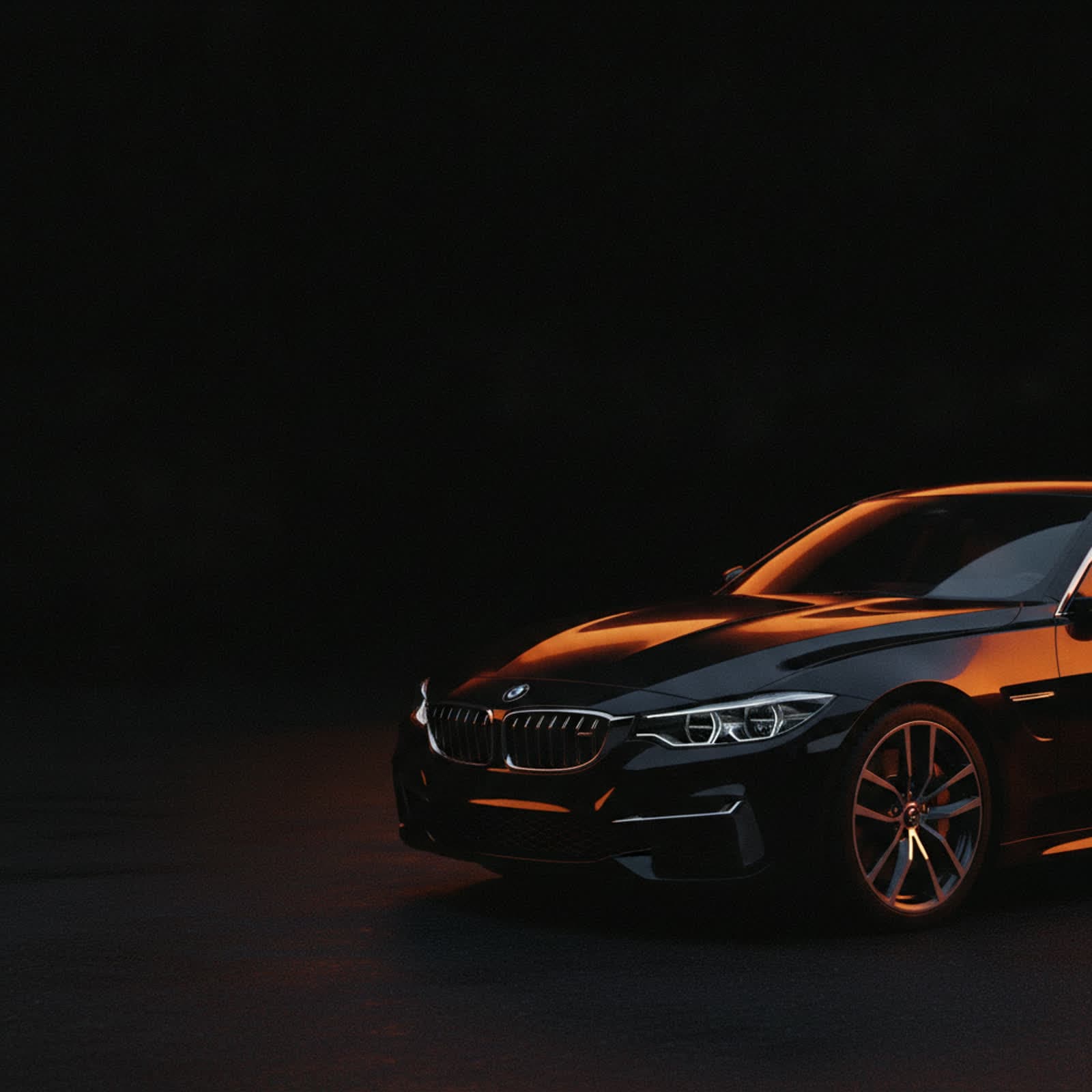
Elizabeth is a busy place to own a car. Between the daily crawl along Route 1 and 9, the runs to Jersey Gardens, and the constant traffic feeding in and out of Newark Liberty International Airport next door, most drivers here spend real time behind the wheel. That is exactly why window tinting is such a common upgrade in this part of Union County: it makes the car cooler, cuts glare, and adds a layer of privacy that a lot of city drivers appreciate.
This guide is written for the Elizabeth driver who is thinking about tinting a car but wants to understand it first. We will cover the New Jersey tint law in plain language, why heat-rejection film is worth thinking about in a hot local summer, how the main film types differ, and what to look for in a good installer. It is an informational guide, not a sales pitch, so you can walk into any shop knowing what questions to ask.
Why Elizabeth Drivers Tint Their Cars
Elizabeth sits low and flat next to the water, and the summers get genuinely hot. If you park along a street in Elmora, Peterstown, or the Bayway section without shade, your car turns into an oven by the afternoon. A good tint with strong heat rejection keeps the cabin noticeably cooler, which means your air conditioning does not have to work as hard when you finally get in and start driving.
There is also the glare factor. Anyone who has driven Route 1 and 9 into the low sun, or crawled through airport traffic with light bouncing off every windshield around them, knows how tiring that is. Tint takes the edge off that brightness and makes long stretches behind the wheel easier on the eyes. Add in the privacy for anything left on the back seat, and it is easy to see why tint is so popular with local drivers.
The New Jersey Tint Law, Explained Simply
New Jersey has one of the stricter tint laws in the region, and it is worth understanding before you spend money. The rule that surprises most people is this: the state does not allow any aftermarket tint on the front side windows or the windshield of a passenger vehicle. In practice, that means the two windows next to the driver and front passenger are meant to stay clear of added film.
The back windows are where you have real freedom. New Jersey does not set a darkness limit for the rear side windows or the rear windshield on most passenger vehicles, so drivers can go as light or as dark as they like back there. Because of this, a lot of Elizabeth cars end up with a clean, legal look: clear up front, tinted in the back. A shop that knows the local rules will walk you through this before touching your car.
Rules can be updated over time, and there are separate considerations for medical exemptions and for how SUVs and vans are classified. A reputable installer stays current on the details, so ask them directly what is allowed for your specific vehicle rather than guessing from something you read online years ago.
Heat-Rejection Film Is Worth the Extra Look
Not all tint is about darkness. The feature that actually keeps your car cooler is heat rejection, and that comes from the technology in the film, not from how dark it looks. Two films can look almost identical from the curb, yet one blocks far more heat than the other. In a hot Elizabeth summer, that difference is something you feel every single day.
Better films also block a large share of ultraviolet light, which protects your skin on long drives and slows the fading and cracking of your dashboard and seats. If you plan to keep the car for years, or if you park outside without a garage, paying a bit more for a serious heat-rejection film usually pays you back in comfort and in a cabin that ages better.
Understanding Your Film Options
Most shops offer three broad tiers. Dyed film is the entry level: it looks fine and provides privacy, but it rejects less heat and can fade toward purple over time. Carbon film is a step up, holding its color better and blocking more heat without the fading problem. Ceramic film sits at the top, offering the strongest heat and ultraviolet rejection while staying clear enough not to interfere with your phone or radio signal.
The right choice depends on how you use the car and your budget. A driver who parks in the sun all day and keeps the vehicle for the long haul leans toward ceramic. Someone doing a quick, budget-friendly refresh on an older car might be perfectly happy with carbon. There is no single correct answer, only the film that fits your situation, and a good installer will help you match one to how you actually drive.
How to Choose a Tint Shop Near Elizabeth
The install matters as much as the film. Tint applied by a rushed or careless hand shows bubbles, peeling edges, and dust trapped under the film within weeks. A clean, professional install looks seamless from day one and stays that way. When you visit a shop, look at cars they have already done and check the edges around the glass closely.
Ask what warranty comes with the work and whether it covers bubbling, peeling, and fading. Ask how long the car needs to sit and how long before you can roll the windows down. A shop that answers these questions patiently and shows you their past work is a shop that stands behind what it does. Elizabeth drivers are only a short drive from our shop in Newark on Pacific Street, which makes it easy to stop in, see the work in person, and get a straight answer before you commit.
A Few Local Tips Before You Book
Plan the timing. Fresh tint needs a few days to cure fully, and during that window you should leave the windows up. If you rely on your car every day for the airport run or a commute up Route 1 and 9, book on a day when the car can sit undisturbed for a bit afterward.
Bring the car in reasonably clean, especially the inside of the glass, since anything stuck to the window can end up trapped under the film. And be honest with the installer about what you want: darker for privacy, lighter for a subtle look, or maximum heat rejection for comfort. The clearer you are, the closer the result will match what you pictured when you first thought about tinting your car.
Frequently asked questions
- Is car window tint legal in Elizabeth, NJ?
- Elizabeth follows New Jersey state law. The state does not allow aftermarket tint on the front side windows or the windshield of a passenger vehicle, but there is no darkness limit on the rear side windows and rear windshield of most passenger cars. A local shop can confirm exactly what applies to your specific vehicle.
- Does window tint really keep my car cooler in the summer?
- Yes, if you choose a film with strong heat rejection. Cooling comes from the film technology, not from how dark it looks, so a quality carbon or ceramic film makes a real difference during a hot Union County summer and eases the load on your air conditioning.
- How long does it take to tint a car?
- Most passenger vehicles are done in a few hours, though larger SUVs with more glass take a bit longer. After the install, the film needs a few days to cure, so plan to keep the windows up during that time.
- Which tint film is best for an Elizabeth driver?
- It depends on how you use the car. Ceramic film offers the strongest heat and ultraviolet rejection and suits drivers who park in the sun and keep their vehicle for years. Carbon film is a solid mid-range choice. A good installer will help you match the film to your driving.
- How far is your shop from Elizabeth?
- Our shop is on Pacific Street in Newark, a short drive from Elizabeth. Many local drivers find it easy to stop in, see completed work in person, and get a straight answer before booking.
Related services
Serving
Found this helpful? Make us a preferred source on Google.
Ready for an exact price?
Get a free, no-pressure in-home estimate. Real numbers for your home, not a phone guess.