
How Much Does Window Tinting Cost in New Jersey? (2026 Guide)
· By Diego C. Mariano
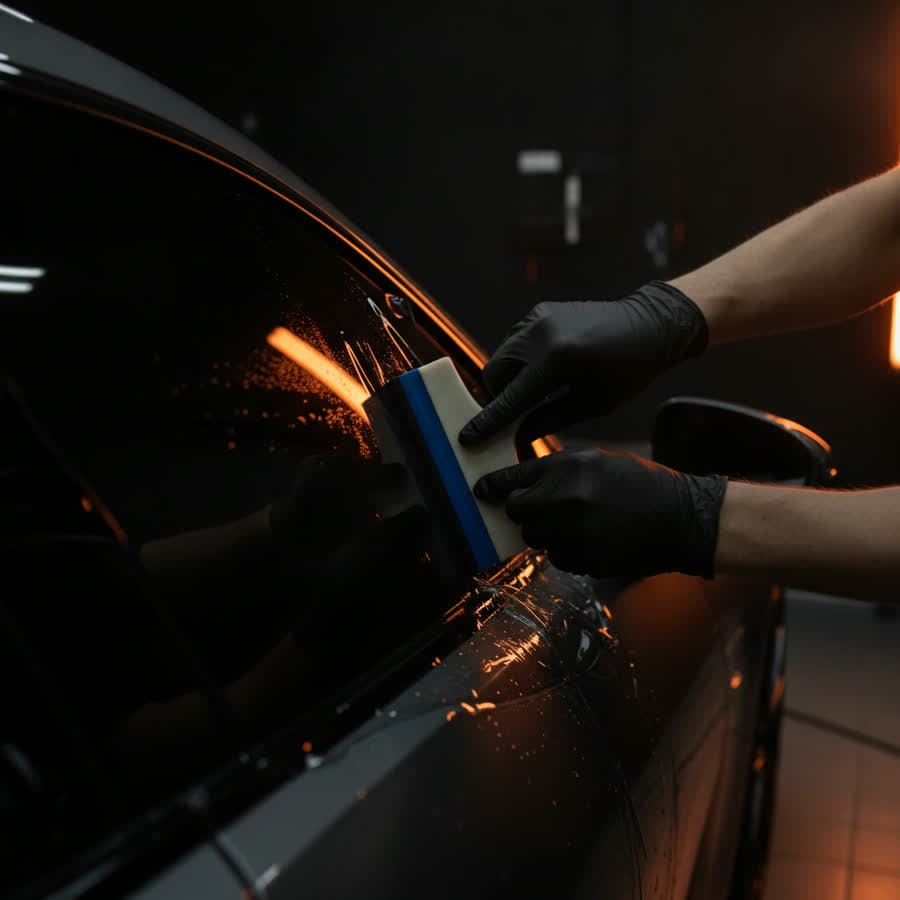
If you are shopping for window tint in New Jersey, the first question is almost always the same: how much is this going to cost? It is a fair question, and the honest answer is that the price depends on a handful of real factors, not a single flat number. Two cars parked side by side can carry very different quotes because the film, the number of windows, and the shape of the glass are all different.
This guide walks through everything that moves the price of a tint job in 2026, gives you realistic market ranges instead of a made-up figure, and shows you what a fair quote should actually include. By the end, you will know enough to compare shops in Newark and the surrounding area without getting talked into paying too much or, just as bad, paying too little for film that fails in a year.
What Actually Drives the Price of a Tint Job
Window tint pricing is not random, and it is not just about the shop. Five things do most of the work: the type of film you choose, the size and shape of your vehicle, how many windows you want done, whether you are doing a full vehicle or just a couple of windows, and the quality of the installation itself. Change any one of those and the number moves.
Film is usually the biggest lever. A basic dyed film sits at the bottom of the market, carbon film sits in the middle, and ceramic film sits at the top because of the technology inside it. On top of that, a coupe with two large door windows is quicker to wrap than an SUV with a big rear hatch, curved quarter glass, and a third row. More glass and more curves mean more labor and more film, which is why bigger vehicles almost always cost more.
Vehicle Size and Shape Matter More Than You Think
A two-door sports car, a four-door sedan, a pickup truck, and a three-row SUV are four completely different jobs. Sedans are the most common and usually the most predictable to price because their glass is relatively flat and standard. Coupes can sometimes cost a little less simply because there are fewer windows to cut and install.
SUVs, minivans, and trucks tend to sit higher on the range. Large rear windows, steep curves, and extra side glass all take more time to cut precisely and more skill to install without creases or gaps. The steep back glass on many SUVs is one of the trickier pieces in the whole industry, and doing it right is part of what you are paying for. When a shop quotes you, expect the number to reflect your specific body style, not a generic car.
Ceramic vs Carbon: The Price Difference Explained
The single most common question after "how much" is "what is the difference between ceramic and carbon?" Carbon film blocks a good amount of heat, resists fading, and does not interfere with phone or GPS signals. It is a solid, budget-friendly step up from cheap dyed film and is a popular choice for drivers who want a clean look and better comfort without the top-tier price.
Ceramic film is the premium option. It uses ceramic nano-particles to reject a much higher share of infrared heat and blocks the vast majority of harmful UV rays, all while staying crystal clear and signal-friendly. Because the material and manufacturing are more advanced, ceramic typically costs more than carbon, often noticeably so on a full vehicle. Most drivers who spend a lot of time in traffic or park in the sun feel that the extra heat rejection is worth it, but carbon remains a smart pick for tighter budgets.
Typical Market Ranges in New Jersey (2026)
To set expectations without inventing numbers we cannot promise, here is how the market generally behaves. A basic dyed film on a standard sedan usually falls at the low end of the range. Carbon film on that same sedan typically lands in the middle. A full ceramic package on a sedan usually sits at the upper end, and a large SUV or truck in ceramic can go higher still because of the added glass and labor.
Partial jobs, like doing only the two front windows to match factory tint on the rear, cost less than a full vehicle simply because there is less film and less time involved. Add-ons such as a full windshield tint or a windshield strip also change the total. The key takeaway is that every quote is built from your car and your film choice, so the best way to know your exact price is to have your specific vehicle looked at rather than relying on a price chart online.
Why the Cheapest Quote Is Rarely the Best Deal
It is tempting to just pick the lowest number, and we understand why. But tint is one of those services where the cheapest option often costs you more over time. Low-grade film can turn purple, bubble, or peel within a year or two, and once it fails you are paying again to have the old film removed and new film installed. Removal of failed tint is messy, time-consuming work, and it is not free.
Cheap quotes also tend to hide corners being cut on installation. Sloppy work shows up as gaps at the edges, trapped bubbles, light peeking through, or film that is not trimmed cleanly around defroster lines. Quality film installed carefully by an experienced hand looks factory-clean, stays clear, and lasts. When you compare quotes, you are really comparing the film grade and the craftsmanship, not just the dollar figure.
What a Fair, Complete Quote Should Include
A trustworthy quote is more than a single price. It should tell you exactly which film you are getting (dyed, carbon, or ceramic) and its darkness level so it stays within New Jersey rules. It should specify which windows are included, whether removal of any existing tint is part of the price, and what the warranty covers. If a quote is just a number with no detail behind it, that is a signal to ask more questions.
A fair quote is also transparent about anything extra. If your vehicle already has old, failing film that needs to come off first, that should be discussed up front, not sprung on you at the counter. Honest, itemized pricing is one of the things we care about at Diego’s Pro-Tinting, because you should never feel surprised when it is time to pay.
Warranty: What You Are Really Paying For
Good tint is backed by a warranty, and that warranty is a big part of the value. Quality carbon and ceramic films are typically covered against bubbling, peeling, cracking, and color change for a long period, sometimes for as long as you own the vehicle, depending on the film. That protection is only as good as the shop standing behind it, which is why buying from an established local installer matters.
When you pay a fair price for quality film and a clean install, you are buying peace of mind: the tint should look the same in five years as it does the day you drive out. A rock-bottom quote with no meaningful warranty leaves you exposed, and that is exactly the trade-off many drivers regret later.
How to Get an Exact Quote from Diego’s Pro-Tinting
The most accurate way to know your price is simple: tell us your vehicle and what you want. Because we are based in Newark and serve drivers across Elizabeth, Harrison, and Kearny, getting a real quote is quick. Share your make, model, and year, tell us whether you are leaning toward carbon or ceramic, and let us know which windows you want done.
From there we can give you a clear, honest price with no surprises, explain which film fits your goals and budget, and make sure the darkness level keeps you street-legal. Professional, fast, and straightforward is how we work. Reach out for a free quote and we will help you choose the right film for your car and your wallet.
Frequently asked questions
- How much does window tinting cost in New Jersey?
- It depends on your vehicle size, the film you choose, and how many windows you want done. Basic dyed film on a sedan sits at the low end of the market, carbon typically lands in the middle, and full ceramic sits at the top, with larger SUVs and trucks costing more. The most accurate way to know your price is to get a quote for your specific car.
- Is ceramic tint worth the extra cost over carbon?
- For many drivers, yes. Ceramic rejects far more infrared heat and blocks more UV while staying crystal clear and signal-friendly. If you sit in traffic or park in the sun often, the added comfort is usually worth it. Carbon is still a strong, budget-friendly choice that blocks solid heat and resists fading.
- Why are some tint quotes so much cheaper than others?
- Cheaper quotes usually mean lower-grade film, less careful installation, or both. Budget film can turn purple, bubble, or peel within a year or two, and then you pay again for removal and reinstall. A fair quote reflects the film grade, the quality of the install, and the warranty behind it.
- What should a good tint quote include?
- It should name the exact film and darkness level, list which windows are covered, state whether removal of old tint is included, and explain the warranty. If a quote is just a single number with no detail, ask for a breakdown before you commit.
- Does a bigger vehicle always cost more to tint?
- Usually, yes. SUVs, trucks, and minivans have more glass, larger rear windows, and steeper curves, all of which take more film and more labor to install cleanly. A standard sedan is typically more affordable than a three-row SUV in the same film.
- How do I get an exact price for my car?
- Tell us your make, model, and year, whether you prefer carbon or ceramic, and which windows you want done. With that, Diego’s Pro-Tinting in Newark can give you a clear, honest quote with no surprises and make sure the tint stays street-legal.
Related services
Serving
Found this helpful? Make us a preferred source on Google.
Ready for an exact price?
Get a free, no-pressure in-home estimate. Real numbers for your home, not a phone guess.