Vinyl Wrap vs Paint: Which Is Better for Your Car?
· By Diego C. Mariano
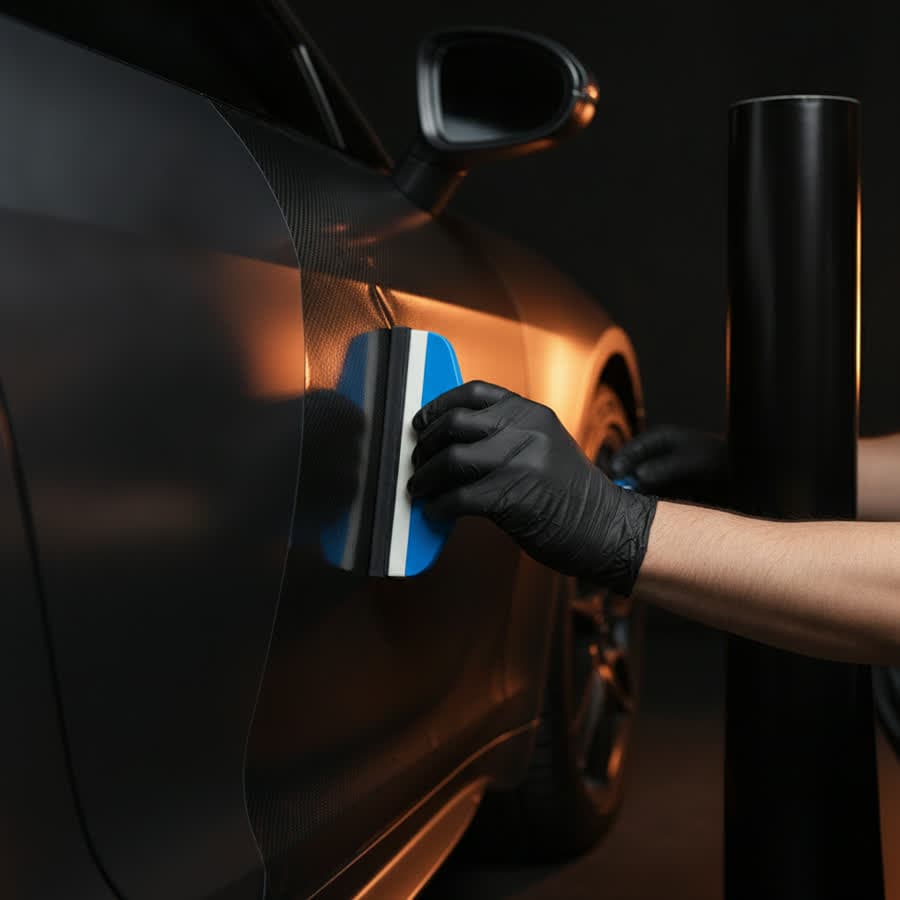
If you want to change the color of your car, you have two real paths: a fresh coat of paint or a professional vinyl wrap. Both can look incredible when they are done right, but they behave very differently over the life of the car. One is permanent and one is reversible. One protects your factory finish and one replaces it. Knowing that difference up front saves you money and regret.
This guide walks through the honest trade-offs between vinyl wrap vs paint: cost, how easy it is to undo, what happens to resale value, the finishes you can get, how long each lasts, and how much upkeep each one asks of you. Whether you drive a daily commuter around Newark, NJ or a weekend build you plan to sell later, the goal is to help you choose the option that fits your car and your plans, not just the one that sounds cool.
Cost: what you actually pay for each
Price is usually the first question, and the answer depends heavily on the shape of the job. A quality professional repaint means stripping, prepping, priming, spraying, and clear-coating the whole vehicle, plus the labor hours and booth time that go with it. A full vinyl wrap uses premium cast film applied panel by panel, so the material and install time drive the number. In the typical market range, a good repaint and a good full wrap can land in a similar ballpark, though a cheap paint job is almost always a false economy that shows within a year.
The real cost story is over time. Paint is a one-time investment that lives on the car forever. A wrap is a semi-permanent layer you can remove and redo. If you like changing your look every few years, wrapping spreads the cost into smaller, repeatable chunks instead of committing to one permanent finish. We never quote a fixed price sight unseen, because the vehicle size, condition, and finish you pick all move the number. The accurate way to know is a walk-around and a written estimate.
Reversibility: the biggest practical difference
This is where wrap and paint separate the most. A vinyl wrap is designed to be removed. When it is installed correctly on healthy factory paint, a trained installer can heat and peel the film off later and leave the original finish underneath. That means you can run a bold color for a few years, then return the car to stock before you sell or lease-return it.
Paint is permanent. Once you spray a new color, going back means painting again, and any custom color can complicate a future sale if the buyer wanted the factory shade. If you are the type who likes to experiment, or you are not fully sure about a color, that reversibility is a major point in favor of wrapping. If you know exactly what you want and plan to keep it, permanence is not a downside at all.
Resale value and protecting your original paint
A vinyl wrap does more than change color. It also acts as a shield for the factory paint underneath, taking the hits from road grit, sun, minor scuffs, and car-wash swirl. When you remove the wrap years later, the paint it covered has often been protected from fading and light wear the whole time. For a leased or resale-minded vehicle, that preserved factory finish can help the car present better and hold value.
Repainting can go either way on resale. A flawless factory-matched respray after collision work restores value, but a custom color repaint can shrink your buyer pool and lower offers if shoppers prefer the original shade. In short, wrapping tends to protect the asset you already own, while a color repaint changes the asset permanently. Buyers who want stock-color cars are common, so keeping that option open matters more than people expect.
Finish options: gloss, matte, satin, and color-change
Modern vinyl film comes in finishes that are hard or expensive to achieve in paint. You can get deep gloss, dead-flat matte, smooth satin, brushed metal looks, carbon-fiber textures, color-shift chameleon films, and specialty chrome or satin-metallic wraps. Many of these are effectively off-the-shelf with a wrap, while matching them in paint would demand specialty products and far more labor.
Paint still owns certain territory. Multi-stage custom candy colors, hand-blended fades, and true show-level bodywork are a paint specialty, and a great painter can create depth that film cannot fully copy. So the finish question comes down to the exact look you want. For matte, satin, and color-shift effects, wrap is usually the smarter and cheaper route. For a one-of-a-kind hand-crafted custom paint, spray wins.
Durability and lifespan
Quality paint, cared for, lasts the life of the car. It handles heat, washing, and years of sun without a hard expiration date, which is why a well-done repaint is a long-term decision. That permanence is both its strength and the reason you want to be sure before you commit.
A premium vinyl wrap installed by a pro typically lasts several years of daily driving before you would consider refreshing it, with lifespan depending on the film brand, the finish, sun exposure, and how the car is stored and washed. Garaged cars and gentler climates get more life; harsh sun and rough washing shorten it. The upside is that when a wrap ages, you replace a film layer instead of redoing bodywork, which keeps the underlying car intact.
Maintenance and daily care
Paint is familiar to care for: regular washing, the occasional polish, and wax or a ceramic coating to keep it protected. It tolerates a wider range of cleaning methods, and a swirl or light scratch can often be buffed out. That everyday forgiveness is one reason paint stays popular.
A wrap asks for a slightly gentler routine. Hand washing is best, harsh brushes and strong solvents are out, and matte and satin films especially need care to avoid shine spots. Bird droppings and fuel spills should be cleaned off promptly so they do not stain the film. None of this is difficult, but a wrap rewards owners who treat it kindly, while paint is a bit more tolerant of neglect.
Install time and downtime
Time off the road matters when it is your daily driver. A proper repaint is a multi-day process: disassembly, prep, spraying, curing, and reassembly all take time, and rushing any stage shows in the result. That is time your car sits in a booth and shop, not in your driveway.
A full wrap is typically faster in the shop, though a quality install is never a same-hour job, since panels are removed, cleaned, and wrapped with care to get clean edges and no lifting. If you need your vehicle back sooner and want a clean color change, wrapping often means less downtime. Either way, the finished quality depends on prep and patience, not speed.
When wrap wins vs when paint wins (including fleets)
Wrap wins when you want reversibility, a matte or satin or color-shift finish, protection for your factory paint, less downtime, or a business look you might update later. Paint wins when you want a truly permanent finish, a custom hand-blended color, flawless correction after body damage, or the lowest-maintenance long-term ownership. Neither is universally better; they solve different problems.
For commercial and fleet branding, wrap is usually the clear choice. You can turn a plain work van into a rolling billboard with your logo, colors, and phone number, and later peel it off to sell the vehicle clean or rebrand as your business changes. For companies around Newark, Elizabeth, Harrison, and Kearny running service vehicles, that flexibility plus paint protection is hard to beat. If you are weighing wrap vs paint, the fastest way to a confident answer is a real look at your car and your goals with Diego's Pro-Tinting.
Frequently asked questions
- Will a vinyl wrap damage my car's original paint?
- When it is installed on healthy factory paint and removed correctly by a trained installer, a quality wrap should come off cleanly and leave the original finish intact. It even shields that paint from sun and wear while it is on. The risk comes from wrapping over already-failing paint or from poor removal, which is why professional install and removal matter.
- Is a vinyl wrap cheaper than a paint job?
- It depends on the vehicle and the finish. In the typical market range, a good full wrap and a quality repaint can land in a similar ballpark, but a wrap is reversible and can be redone in stages over time, while paint is a permanent one-time investment. Cheap paint jobs usually cost more in the long run because they fail early. The only accurate number comes from an in-person estimate.
- Can I get matte or satin colors with a wrap?
- Yes, and this is one of the biggest advantages of wrapping. Matte, satin, brushed, carbon-fiber, and color-shift finishes come ready in premium films, while matching those looks in paint takes specialty products and far more labor. If you want a matte or satin finish, a wrap is usually the smarter route.
- How long does a car wrap last compared to paint?
- Quality paint can last the life of the car, since it is permanent. A premium professional wrap typically lasts several years of daily driving before you would refresh it, depending on the film, sun exposure, and how the car is washed and stored. When a wrap ages you simply replace the film, not the bodywork underneath.
- Which is better for a business or fleet vehicle?
- Wrapping is usually best for branding. You get full-color graphics, logos, and contact info that turn a work vehicle into a moving billboard, plus the ability to peel it off later to sell the vehicle clean or rebrand. It also protects the factory paint underneath, which helps resale on fleet vehicles.
Related services
Serving
Found this helpful? Make us a preferred source on Google.
Ready for an exact price?
Get a free, no-pressure in-home estimate. Real numbers for your home, not a phone guess.