
7 Signs It Is Time to Re-Tint Your Car Windows
· By Diego C. Mariano
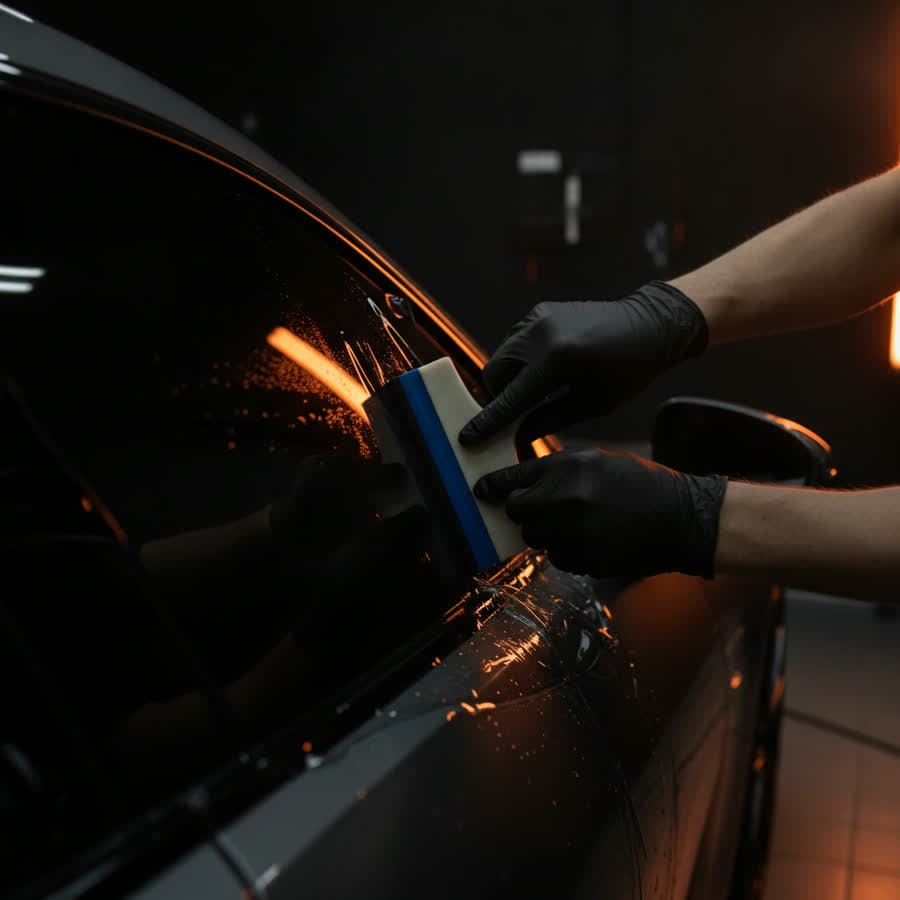
Window tint does not last forever. Cheap film especially starts to break down after a few years in the sun, and once it does, it stops doing its job. Instead of blocking heat and UV, worn tint just scatters light, blocks your view, and makes an otherwise clean car look tired.
The good news is that failing tint gives you clear warning signs. If you know what to look for, you can catch it before it becomes a safety issue or a fail at inspection. Below are seven signs that it is time to strip the old film and start fresh with quality tint.
1. The tint has turned purple
A purple or bronze tint is the classic sign of cheap dyed film breaking down. The color comes from the dye layer failing under years of UV exposure. Once the non-fade dyes wear out, what is left shifts toward purple, and no amount of cleaning brings the original dark look back.
Purple tint is more than an eyesore. When the dye fails, the film has usually lost most of its heat and UV protection too. If your windows have gone purple, the film is done and should be replaced.
2. Bubbles have formed under the film
Bubbling happens when the adhesive that bonds the film to the glass starts to fail. You will see small pockets or a rash of tiny bubbles spread across the window, most often on the rear glass where the heat builds up.
Bubbles are not just ugly. They distort your view through the glass, which matters most on the back window when you are checking traffic or backing out of a spot. Once the adhesive breaks down like this, the film cannot be smoothed back out. It needs to come off and be redone.
3. The edges are peeling or lifting
If you run a finger along the edge of the window and feel the film lifting, or you can see corners curling away from the glass, the tint is on its way out. Peeling edges usually start where the film meets the seals and door frame, then creep inward over time.
Peeling gives dirt and moisture a path underneath the film, which speeds up the failure and can even leave the glass looking cloudy. It also tends to snag and tear. A clean re-tint with proper edge work solves it for good.
4. A milky haze has appeared
Hazing shows up as a cloudy, milky film across the window, especially noticeable when the sun hits it or when you look through the glass at night against oncoming headlights. It happens as the film degrades and the adhesive or dye clouds up.
This one is a genuine safety concern. Haze scatters light and cuts your visibility, particularly for night driving. If your windows look foggy even after a good clean, the tint is the culprit and it is time for new film.
5. The film is scratched or scuffed
Most quality tint has a scratch-resistant coating on the surface, but cheap film wears through faster, and rolling a window up and down with grit on the glass can score the film. Once the film is scratched, those marks are permanent and catch the light at every angle.
Scratches on the inside surface will not buff out, because you are looking at damage to the film itself, not the glass. If the scuffing is bad enough to distract you or ruin the look of the car, replacing the film is the only real fix.
6. The tint has faded or is too light
Sometimes the problem is the opposite of dark. Sun-worn film loses its depth and looks washed out, or you inherited a light shade that no longer gives you the privacy and heat rejection you want. Faded film has almost always lost a chunk of its UV and heat performance along the way.
If your once-dark windows now look weak, or you simply want a shade that blocks more heat for the Newark summer, that is a valid reason to re-tint. A fresh ceramic film in the right legal shade brings back both the look and the protection.
7. You bought a used car with old, cheap tint
Used cars often come with a mystery tint job done years ago by an unknown installer. You have no idea what film it is, how it was applied, or whether it is even legal for New Jersey. Very often it is a low-grade dyed film that is already fading, bubbling, or cut sloppily at the edges.
Rather than live with someone else’s corner-cutting, it is worth having old tint removed and replaced with a film you actually chose. You get a clean, legal, consistent look across every window and heat protection you can count on, instead of inheriting a problem.
How removal and fresh film fix it
Failing tint cannot be repaired, patched, or layered over. New film applied on top of old film traps every flaw underneath and looks even worse. The right process is to fully remove the old tint, clean every trace of adhesive off the glass, and start with a fresh surface.
Removal is often the tricky part. Old, brittle film can flake into pieces and leave stubborn glue behind, and rear windows with defroster lines have to be handled carefully so the lines are not damaged. This is where doing it right matters, and where a rushed or DIY removal can turn into a bigger mess.
Once the glass is clean, quality film goes on smooth, with clean edges and no bubbles. Choosing a good ceramic film at this stage means the new tint holds its color, rejects heat, and lasts far longer than the film you are replacing.
The value of a proper install
A tint job is only as good as the hands doing it. Clean prep, precise cutting, tight edges, and a dust-free workspace are what separate film that lasts from film that bubbles within a year. That craftsmanship is exactly what you are paying for, on top of the film itself.
At Diego’s Pro-Tinting in Newark, NJ, we remove old failing tint properly, clean the glass down to a fresh surface, and apply quality film chosen for your car and your budget. We serve drivers across Newark, Elizabeth, Harrison, and Kearny who are tired of purple, bubbled, or peeling windows.
If your tint is showing any of the seven signs above, reach out for a free quote. We will look at what you have, explain your options in plain language, and get your windows back to clean, legal, and cool.
Frequently asked questions
- Why does old window tint turn purple?
- Purple tint is caused by cheap dyed film breaking down under UV exposure. The dye that gave the film its dark look fails over time and shifts toward purple. It cannot be cleaned off, and it usually means the film has lost its heat and UV protection, so replacement is the fix.
- Can bubbled or peeling tint be repaired?
- No. Once the adhesive fails and the film bubbles or peels, it cannot be smoothed back down or patched. The old film has to be fully removed and replaced with fresh film for a clean, lasting result.
- Is hazy or cloudy tint a safety problem?
- Yes. Hazing scatters light and reduces visibility, which is especially dangerous at night against oncoming headlights. If your windows look milky even after cleaning, the degraded film should be replaced to restore a clear view.
- Should I remove old tint before applying new tint?
- Always. New film should never be layered over old film, which traps every flaw underneath and looks worse. Proper re-tinting means fully removing the old tint, cleaning all adhesive off the glass, and applying fresh film to a clean surface.
- I bought a used car with tint. Should I replace it?
- It is often worth it. Used cars frequently have mystery tint of unknown quality and legality that may already be fading or bubbling. Replacing it lets you choose a legal, quality film with consistent color and reliable heat protection across every window.
- How long should quality window tint last?
- Quality ceramic or carbon film, installed properly, can last many years without turning purple or bubbling, and good film often carries a manufacturer warranty. Cheap dyed film tends to fail much sooner, which is why the film and the install both matter.
Related services
Serving
Found this helpful? Make us a preferred source on Google.
Ready for an exact price?
Get a free, no-pressure in-home estimate. Real numbers for your home, not a phone guess.