
New Jersey Window Tint Laws: What Is Legal in 2026
· By Diego C. Mariano
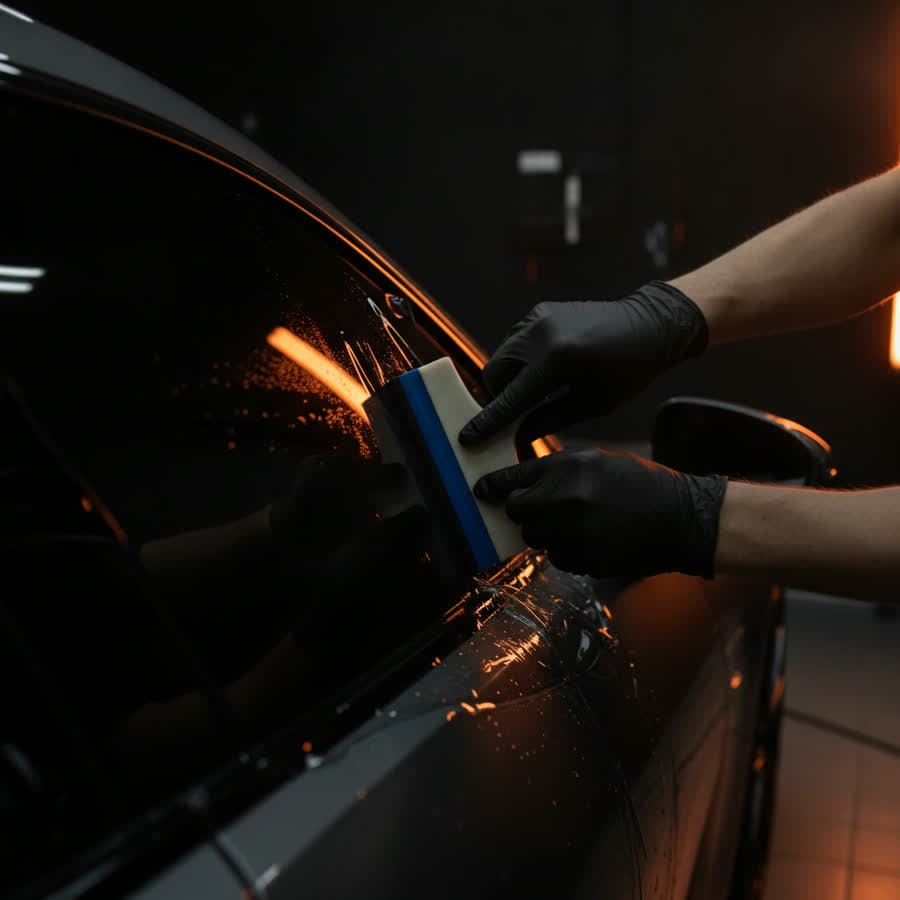
Window tint is one of the most popular upgrades drivers ask us about here in Newark, and it is also the one that gets the most people ticketed. New Jersey has some of the stricter tint rules in the country, and a lot of that confusion comes from drivers assuming the law works the same way it does in other states. It does not.
This guide breaks down what New Jersey window tint laws actually allow in 2026, window by window, so you know exactly what is legal before film ever touches your glass. We will also cover reflectivity, medical exemptions, and how a proper install keeps you cool without handing a police officer an easy reason to pull you over. Rules can change, so always confirm the current details with the New Jersey Motor Vehicle Commission (MVC) before you commit.
The Short Version: Why NJ Is Different
Most states set a VLT (visible light transmission) percentage for front side windows, which tells you how much light the film has to let through. New Jersey takes a stricter approach. As a general rule, the state does not permit aftermarket tint on the windshield or the front side windows at all. That single fact surprises most drivers, and it is the reason so many tickets get written.
The good news is that the rear glass is where you have real freedom. New Jersey generally allows tint of any darkness on the rear side windows and the rear window. So the classic look many people want, a light and legal front paired with darker rear glass, is completely achievable. The trick is knowing where the line sits on each pane. Always verify the current standard with the NJ MVC, since agencies update guidance over time.
Windshield: Tint Is Off Limits (With One Small Exception)
The windshield is the most protected piece of glass on your vehicle, and New Jersey treats it that way. You generally cannot apply aftermarket tint film across the windshield. Doing so is one of the fastest ways to fail an inspection or earn a fix-it ticket.
The one narrow allowance most states share is a strip of tint along the very top of the windshield, often called the AS-1 line or eyebrow. Many windshields have a small factory-shaded band from the manufacturer near the top, and a matching top strip is the type of treatment drivers ask about. Because the exact allowance and placement can vary, confirm with the NJ MVC or your inspection station before adding anything to the windshield.
What you can do on a windshield is a clear or nearly clear heat-rejecting film. Modern ceramic films can block a large share of infrared heat and UV rays while staying visually clear, so you get comfort and protection without darkening the glass or breaking the rule.
Front Side Windows: The #1 Ticket Trap
This is the section that trips up the most drivers. In New Jersey, the front side windows (the ones next to the driver and front passenger) are generally not permitted to have aftermarket tint. Unlike states that allow a 35 percent or 50 percent front, New Jersey does not give you that room.
That means the dark, mirror-look front windows you might see on out-of-state plates are not built for New Jersey roads. When an officer can see tinted front windows from outside the car, that is a visible, easy stop, and it is exactly why front-window tint gets pulled over so often in Newark, Elizabeth, Harrison, and Kearny.
If your main goal is heat and glare on the front seats, that is where clear ceramic film earns its keep. It rejects heat and UV without adding a visible shade to the glass, so you stay comfortable and stay legal. If you want to confirm the current wording, the NJ MVC is the authority.
Rear Side and Rear Windows: Your Free Zone
Here is where you get to have fun. New Jersey generally allows tint of any darkness on the rear side windows and the rear windshield. Whether you want a light 50 percent or a blacked-out 5 percent limo look in the back, the darkness itself is typically permitted.
Most drivers who want privacy, sun protection for back-seat passengers or kids, and a cleaner overall look get exactly that by going darker in the rear while keeping the front legal. When the back glass is tinted and the rear window is darker, many states require dual side mirrors so you keep clear vision behind you. That is a smart setup to have regardless, and worth confirming with the NJ MVC.
Reflectivity, Colors, and Other Fine Print
Darkness is not the only thing regulated. Many states also limit how reflective or mirror-like tint can be, because a highly reflective film can bounce sunlight and glare toward other drivers. Metallic and mirrored finishes are the ones to watch. If you want a specific finish, ask up front whether it fits within current New Jersey reflectivity guidance.
Certain tint colors can also draw attention or run into restrictions, so neutral charcoal shades are the safest bet for staying under the radar. And remember that tint is checked at state inspection, so film that violates the rules can cause an inspection failure, not just a roadside stop. When in doubt, the NJ MVC is the source of truth for the current 2026 standards.
Medical Exemptions in New Jersey
New Jersey does provide a path for drivers with a genuine medical need for extra sun protection, such as certain light-sensitivity conditions. These exemptions are not automatic and are not something a shop can hand you. They generally require a formal application and supporting documentation from a licensed physician, submitted through the proper state channel.
If you believe you qualify, start with the NJ MVC to learn the current application process and what paperwork is accepted. We will not promise you an exemption or tell you that darker front tint is fine because you might qualify. That is a decision for the state, not a shop. Once you have an approved exemption in hand, we can talk about the film that fits within it.
How Diego's Pro-Tinting Keeps You Legal and Cool
Our job is to give you the comfort of tint without the headache of a ticket. That starts with an honest conversation about what New Jersey actually allows on your specific vehicle. We will never talk you into an illegal front just to make a sale, because you are the one who pays the ticket and fails inspection, not us.
For the front of the car, we lean on clear and near-clear ceramic films that block a large share of heat and UV without adding a visible shade, keeping the driver and front passenger cooler on hot Newark summer days. For the rear glass, we can go as dark as you like within the rules, giving you privacy and a clean look in the back.
Every install is done with quality film and clean, bubble-free technique, and we walk you through the aftercare so your tint cures right and lasts. If you are unsure what is allowed on your car, come talk to us and we will map out a legal setup that still beats the heat. For the official current rules, always double-check with the New Jersey MVC.
Frequently asked questions
- Is any window tint legal in New Jersey?
- Yes. New Jersey generally allows tint of any darkness on the rear side windows and the rear windshield. The restrictions apply mainly to the windshield and the front side windows. Confirm the current details with the NJ MVC.
- Can I tint my front side windows in New Jersey?
- As a general rule, no. New Jersey does not permit aftermarket tint on the front side windows, which is why front-window tint is a common cause of traffic stops. Clear ceramic film is a legal way to block heat on the front without adding a visible shade.
- Can I put tint on my windshield?
- Aftermarket darkening tint across the windshield is generally not allowed. A small top strip near the AS-1 line may be permitted, similar to the factory-shaded band, but confirm placement with the NJ MVC. A clear heat-rejecting film is a legal alternative.
- Does New Jersey allow medical tint exemptions?
- New Jersey does offer medical exemptions for qualifying conditions, but they require a formal application with physician documentation submitted to the state. A shop cannot grant one. Start with the NJ MVC to learn the current process.
- Will tint cause my car to fail inspection in New Jersey?
- It can. Tint that violates state rules, including illegal front-window film, can cause an inspection failure in addition to a roadside stop. Sticking to a legal setup keeps you clear at inspection time.
- What is the safest legal tint setup in NJ?
- A common legal setup is a clear ceramic heat-rejecting film on the windshield and front side windows paired with darker film on the rear glass. It keeps the front legal while giving you privacy and heat control in the back.
Related services
Serving
Found this helpful? Make us a preferred source on Google.
Ready for an exact price?
Get a free, no-pressure in-home estimate. Real numbers for your home, not a phone guess.