
How Often Should You Detail Your Car?
· By Diego C. Mariano
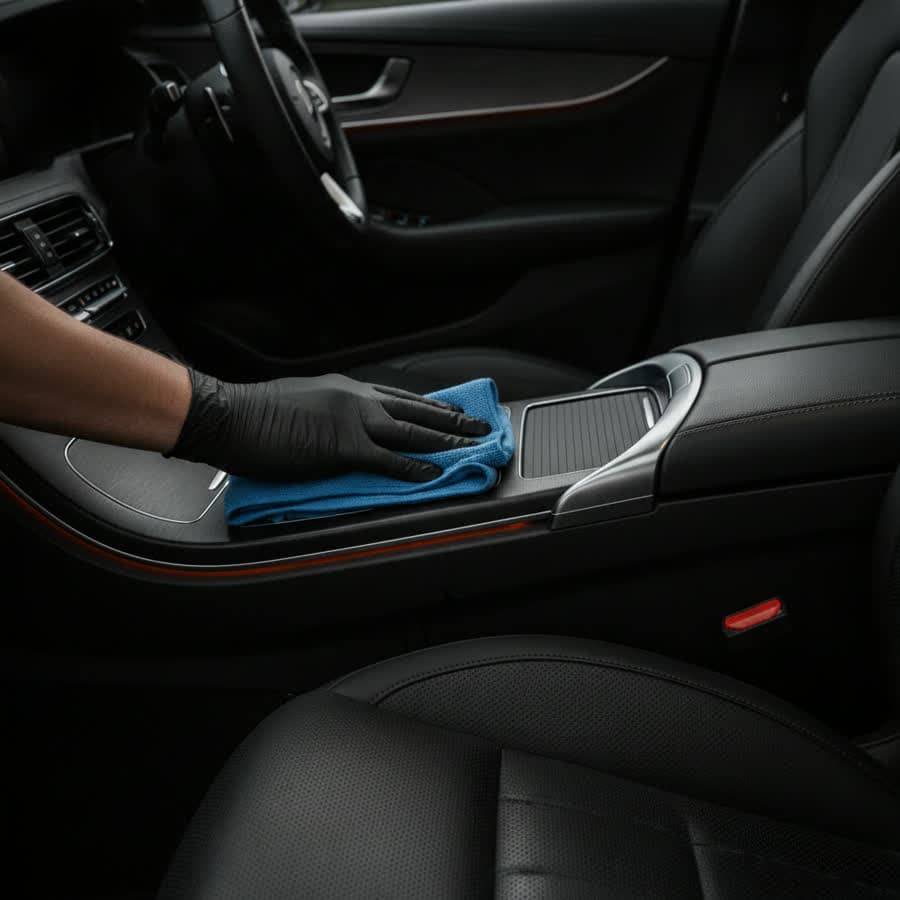
Most drivers know they should wash their car. Fewer know how often they should detail it, or even what the difference is. A quick wash and a full detail are not the same service, and treating them like they are is how paint gets dull, interiors get grimy, and cars lose value faster than they should.
The short answer is that a full professional detail is worth doing roughly twice a year, with maintenance washes in between. But the honest answer depends on how you actually use your car: whether it is a daily commuter, whether you have kids or pets, whether you park on the street, and whether it lives through the road salt of a New Jersey winter. This guide walks through the right frequency for each situation and what a real detail includes.
A Wash Is Not a Detail
A car wash cleans the surface. It removes loose dirt and road film from the exterior and maybe wipes down the dash. It is quick, it is cheap, and it should happen often. But it does not touch the deep, embedded grime that dulls your paint and wears down your interior.
A full detail is a top-to-bottom deep clean and restoration. On the outside, that means a proper wash, clay bar decontamination to pull out bonded contaminants, and often paint polishing to remove swirl marks, followed by a protective sealant or wax. On the inside, it means vacuuming into every crevice, shampooing carpets and upholstery, cleaning and conditioning leather, wiping down every panel and vent, and treating the glass. A wash keeps a car presentable week to week. A detail resets it to near-new condition. You need both, on different schedules.
How Often to Detail the Exterior
For the outside of the car, a full detail every four to six months is a solid baseline for most drivers. That twice-a-year rhythm keeps a protective layer of sealant or wax on the paint, keeps swirl marks and oxidation from building up, and gives the finish a fresh reset before and after the harshest seasons.
Between full details, keep up with regular washes, ideally every one to two weeks. Frequent gentle washing is one of the most important things you can do for your paint because it removes contaminants (bird droppings, tree sap, road salt, industrial fallout) before they have time to etch or bond to the clear coat. Washing often and detailing seasonally is a far better strategy than neglecting the car and trying to fix it all in one heavy session.
How Often to Detail the Interior
Interior wear is driven by how much time you and your passengers actually spend in the car, so it tends to need attention on a similar or slightly more frequent schedule than the exterior. For a typical driver, a full interior detail every four to six months keeps upholstery, carpets, and surfaces from accumulating the ground-in dirt and odors that become permanent once they set.
In between, a light interior maintenance (a quick vacuum and a wipe-down of high-touch surfaces every couple of weeks) prevents buildup. The interior is where most of the value perception lives when it comes time to sell, since a fresh, clean cabin signals a car that was cared for. Letting stains, odors, and grime settle in is much harder and more expensive to reverse than staying ahead of it.
Factors That Change Your Schedule
The twice-a-year baseline moves depending on your life. If your car is a daily driver racking up long commutes, both the interior and exterior take more abuse and benefit from more frequent detailing. If you have kids, expect spills, crumbs, and sticky surfaces that call for more regular interior cleaning. If you have pets, pet hair works its way deep into fabric and vents and often needs specialized extraction more often than a standard schedule.
Where you park matters just as much. Street parking in a dense city like Newark, NJ means your car is constantly exposed to dust, pollen, bird droppings, tree sap, and industrial fallout with no garage to shield it. Cars parked outside in the city almost always need more frequent washing and more attentive detailing than a garage-kept vehicle. If several of these factors apply to you, moving to a quarterly detail (every three months) is a reasonable upgrade.
Winter and Road Salt in New Jersey
Winter deserves its own mention because road salt is genuinely destructive. New Jersey roads get heavily salted through the cold months, and that salt clings to your paint, wheels, and especially the undercarriage, where it accelerates rust and corrosion. Salt is also acidic enough to dull and damage your finish if it sits.
The practical move is to wash more often during salt season, including the underbody, to rinse salt away before it does damage. Then book a thorough detail in early spring to strip off a winter’s worth of salt and grime and reapply protection to the paint. Many drivers pair that with a fall detail to lay down fresh protection right before winter starts. Bracketing the salt season with detailing on both ends is one of the smartest things you can do for a car that lives through NJ winters.
What a Full Detail Actually Includes
Knowing what you are paying for helps you understand why it is not something you need every week. A comprehensive exterior detail usually includes a thorough hand wash, wheel and tire cleaning, clay bar decontamination to remove bonded grime, optional paint correction or polishing to reduce swirls and scratches, and a protective sealant or wax to shield the finish.
A comprehensive interior detail typically includes a complete vacuum, shampoo and extraction of carpets and cloth seats, leather cleaning and conditioning, cleaning of every hard surface and vent, streak-free glass, and odor treatment. Because it is thorough and time-intensive, a full detail is what resets the car, while quick washes handle the upkeep between visits.
How Detailing Protects Resale Value
Regular detailing is not just about looking good today, it is one of the cheapest ways to protect what your car is worth later. Paint that has been consistently washed, decontaminated, and protected resists oxidation and holds its gloss, which is one of the first things a buyer notices. Interiors that have been kept clean avoid the permanent stains and lingering odors that tank a car’s appeal and its price.
A well-documented history of care makes a car easier to sell and supports a higher asking price, because a clean, well-maintained vehicle signals that the mechanical side was probably looked after too. Spread over a few years of ownership, the cost of seasonal detailing is small next to the value it helps preserve. If you are not sure what schedule fits your car and your driving, Diego’s Pro-Tinting can put together a plan and give you a free estimate.
Frequently asked questions
- How often should you detail your car?
- For most drivers, a full professional detail every four to six months (about twice a year) is the right baseline, with regular maintenance washes in between. Daily drivers, cars with kids or pets, and vehicles parked on the street often benefit from a quarterly detail every three months.
- What is the difference between a car wash and a detail?
- A wash cleans the surface and removes loose dirt quickly and cheaply. A full detail is a deep clean and restoration inside and out, including decontamination, polishing, protection for the paint, and shampooing and conditioning the interior. You need frequent washes plus periodic detailing.
- How often should I wash my car in winter?
- More often than in other seasons. In New Jersey, road salt clings to paint and the undercarriage and accelerates rust, so washing more frequently through the cold months, including the underbody, helps rinse salt away before it causes damage.
- Does detailing help resale value?
- Yes. Consistent detailing protects paint from oxidation, keeps the interior free of permanent stains and odors, and signals to buyers that the car was well cared for, which supports an easier sale and a higher asking price.
- How often should I clean the interior of my car?
- A full interior detail every four to six months keeps upholstery, carpets, and surfaces from accumulating ground-in dirt and odors, with a light vacuum and wipe-down every couple of weeks in between. Homes with kids or pets usually need interior cleaning more often.
Related services
Serving
Found this helpful? Make us a preferred source on Google.
Ready for an exact price?
Get a free, no-pressure in-home estimate. Real numbers for your home, not a phone guess.