How Much Does a Full Car Wrap Cost?
· By Diego C. Mariano
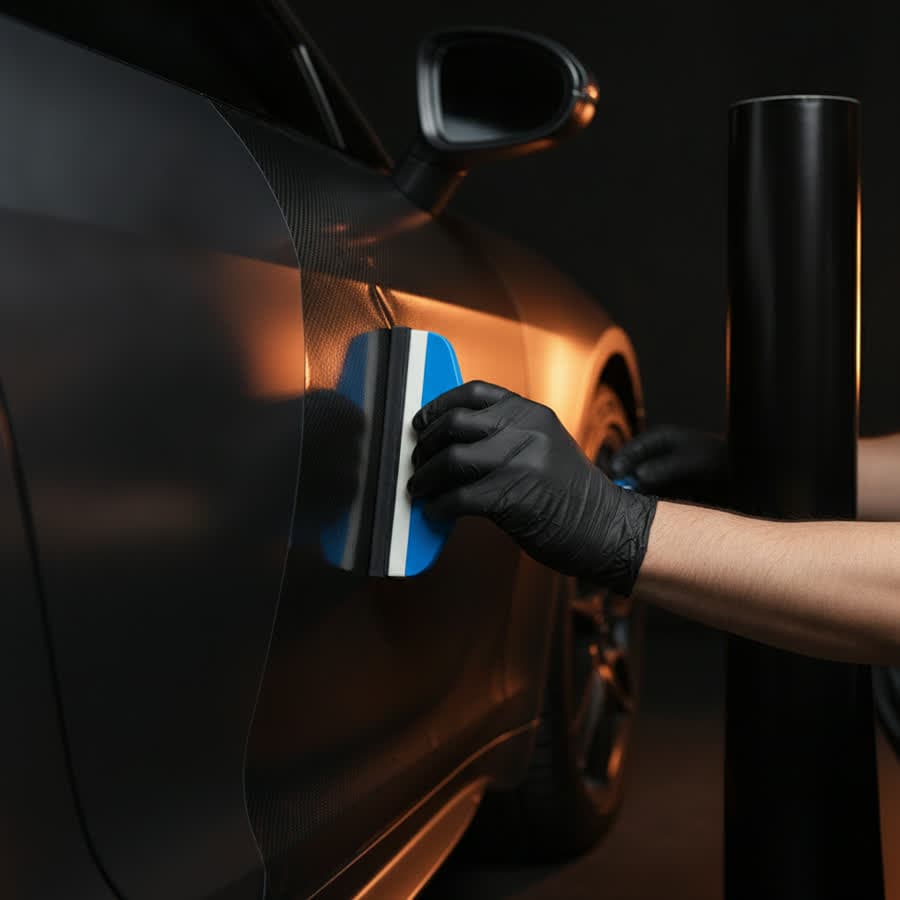
Ask five shops how much a full car wrap costs and you will get five different answers, and that is not a dodge. Wrap pricing is genuinely built from the vehicle in front of you, the film you choose, and how much careful work the job takes. A compact coupe in a simple gloss color and a large SUV in a textured color-shift film are two very different projects, even though both are called a full wrap.
This guide breaks down what actually drives the price so you can read a quote with confidence instead of guessing. We will cover vehicle size and shape, full vs partial coverage, film brand and finish, complexity, old-wrap removal, honest market ranges, cheaper partial options, why prep and install quality change the value, and how to get an exact number from Diego's Pro-Tinting in Newark, NJ. We never post a fake fixed price, because an honest quote only comes from seeing your car.
What drives the price of a wrap
The biggest single factor is the vehicle itself. Size sets how much film the job needs, and shape sets how hard that film is to apply. A small sedan uses less material and has simpler panels, while a large truck, van, or SUV uses far more film and takes more hours. Two cars the same length can still price differently if one has deep body lines, sculpted bumpers, or lots of curves that demand more cutting, stretching, and heat work.
On top of size and shape, the price is shaped by coverage (full vs partial), the film brand and finish you pick, the overall complexity of the install, and whether an old wrap has to come off first. Each of these can move the number meaningfully. That is why a real quote is a conversation about your specific car and the look you want, not a flat rate pulled from thin air.
Full wrap vs partial wrap
A full wrap covers every painted exterior panel, giving you a complete color change from bumper to bumper. It uses the most film and the most labor, so it sits at the top of the pricing range. This is the route for a true head-to-toe transformation or a fully branded commercial vehicle.
A partial wrap covers only some of the car, such as the hood, roof, mirrors, trunk, or lower body, and costs a fraction of a full wrap because it uses less material and time. Partials are perfect when you want a two-tone look, a racing stripe, a blacked-out roof, or business graphics on the doors without wrapping the whole vehicle. If budget is tight, a well-designed partial can deliver a big visual change for far less.
Film brand and finish
Not all vinyl is equal. Premium cast films from established brands conform better, last longer, and remove more cleanly than cheap calendered film, and they cost more per roll. Paying for quality film is where a lot of the long-term value lives, because a bargain film that cracks or stains in a year is not a saving.
Finish matters too. Standard gloss and solid colors are usually the most affordable. Matte, satin, brushed, carbon-fiber, chrome, and color-shift chameleon films cost more because the material itself is pricier and often trickier to install without flaws. When you compare quotes, make sure you are comparing the same film grade and finish, or the numbers will not line up.
Complexity of the install
Labor is a real part of the cost, and complexity drives labor. A clean install means removing or loosening parts like door handles, mirrors, badges, lights, and trim so the film can tuck in properly with no lifting edges. Cars with lots of trim, tight recesses, or aggressive body sculpting take more hours to do right.
Custom design work adds to it as well. Printed graphics, logos, layered colors, and precise alignment across panels all take design and install time beyond a single solid color. A plain gloss color change on a simple body is the least complex; a multi-color branded design on a curvy vehicle is the most. Complexity is a big reason two full wraps can carry very different prices.
Removing an old wrap
If your car already has a wrap or leftover adhesive, that has to come off before new film goes on, and removal is its own line of labor. Film that was installed well and is still in good shape peels relatively cleanly. Film that is old, sun-baked, or was poorly installed can fight back, leaving adhesive that takes extra time and care to clear without harming the paint.
Because removal difficulty varies so much, it is hard to estimate without seeing the car. Budget for it as a separate step if you are re-wrapping. Doing removal properly protects your factory paint and gives the new wrap a clean surface to bond to, which is worth the time.
Typical market ranges (and why we never fake a fixed price)
To set expectations honestly: in the typical market range, partial wraps and simple accents sit at the lower end, a full wrap in a standard gloss color occupies the middle, and full wraps in premium specialty finishes like matte, chrome, or color-shift sit at the higher end. Large vehicles, heavy trim, and custom graphics push toward the top of whatever range applies.
We deliberately do not publish a single fixed price on this page, and you should be cautious of any shop that quotes your exact cost before seeing your vehicle. The final number depends on the real size, shape, and condition of your car, the film and finish you choose, and whether an old wrap needs removal. An honest estimate is specific to your project, not a headline number designed to get you in the door.
Cheaper options: partials, accents, and priorities
If a full wrap is more than you want to spend right now, you have solid lower-cost paths. A partial wrap or a set of accents (roof, mirrors, hood, or a stripe) can transform the car's look for much less. Blacking out chrome trim, wrapping just the roof, or adding door graphics for a business are all popular ways to get impact on a budget.
You can also stage the work. Start with the highest-visibility area, then add more later as your budget allows, keeping the film brand and finish consistent so it all matches. The point is that wrapping is flexible. You do not have to choose between a full wrap and nothing, and a good shop will help you prioritize where the money makes the biggest difference.
Why prep and install quality matter to the price
It can be tempting to chase the lowest quote, but a wrap is only as good as its prep and install. A proper job starts with a thorough clean and decontamination, then careful disassembly, precise application, sealed edges, and post-heating so the film stays put. Skip those steps and you get lifting edges, bubbles, and film that peels early, which costs more to fix than doing it right the first time.
That is the difference between a price and a value. A slightly higher quote that includes quality film, real prep, and an experienced installer usually outlasts and outlooks a cheaper one by years. When you compare wrap quotes, look past the number and ask what film, what prep, and what install care you are actually paying for.
How to get an exact quote from Diego's Pro-Tinting
The only way to know your real cost is a look at your actual vehicle. At Diego's Pro-Tinting we assess the size, shape, and condition of your car, confirm the coverage you want (full or partial), the film brand and finish, any custom graphics, and whether an old wrap needs removal, then give you a clear written estimate with no surprises.
We serve drivers and businesses across Newark, Elizabeth, Harrison, and Kearny, and we are happy to walk you through the options that fit your look and your budget. Reach out with your vehicle details or stop by for a walk-around, and we will turn all of the factors above into one honest, specific number for your project.
Frequently asked questions
- How much does a full car wrap cost?
- There is no single fixed price, because it depends on your vehicle size and shape, full vs partial coverage, the film brand and finish, install complexity, and whether an old wrap needs removal. In the typical market range, simple partials sit lowest, a standard gloss full wrap is mid-range, and premium finishes like matte or color-shift on large vehicles sit highest. The accurate number comes from an in-person estimate.
- Is a partial wrap cheaper than a full wrap?
- Yes. A partial wrap covers only some panels, such as the hood, roof, mirrors, or lower body, so it uses less film and labor and costs a fraction of a full wrap. Partials and accents are a great way to get a big visual change or business graphics on a smaller budget.
- Why do premium finishes cost more?
- Specialty films like matte, satin, chrome, carbon-fiber, and color-shift use pricier material and are often harder to install cleanly than standard gloss, which adds both material and labor cost. When comparing quotes, make sure you are comparing the same film grade and finish.
- Does removing an old wrap add to the cost?
- Usually, yes. Removal is its own labor step, and how hard it is depends on the age and quality of the existing film. Well-installed film peels cleanly, while old or poorly installed film can leave adhesive that takes extra time and care to clear without harming the paint.
- Why won't you quote an exact price online?
- Because an honest wrap price is specific to your car. The real size, shape, and condition of your vehicle, the film and finish you choose, and any old-wrap removal all move the number. Be cautious of any shop that quotes your exact cost sight unseen. We give a clear written estimate after seeing your vehicle.
- How do I get a quote from Diego's Pro-Tinting?
- Share your vehicle details or stop by for a walk-around. We assess size, shape, condition, coverage, film, finish, and any removal, then give you a clear written estimate. We serve Newark, Elizabeth, Harrison, and Kearny, NJ.
Related services
Serving
Found this helpful? Make us a preferred source on Google.
Ready for an exact price?
Get a free, no-pressure in-home estimate. Real numbers for your home, not a phone guess.